Why Isuzu Truck Repair Takes Longer at a General Shop

An Isuzu NPR that won't shift right doesn't always have a transmission problem. The actual fault can sit in the engine control module or in a failing emissions sensor, and the truck only acts like a transmission issue because that's the system throwing the obvious symptom. A general shop that diagnoses by the symptom in front of them, rather than by what the control modules are actually reporting, can spend hours chasing the wrong system. That gap in diagnostic access, parts sourcing, and technician training is why Isuzu repair often takes longer outside a shop set up specifically for these trucks.
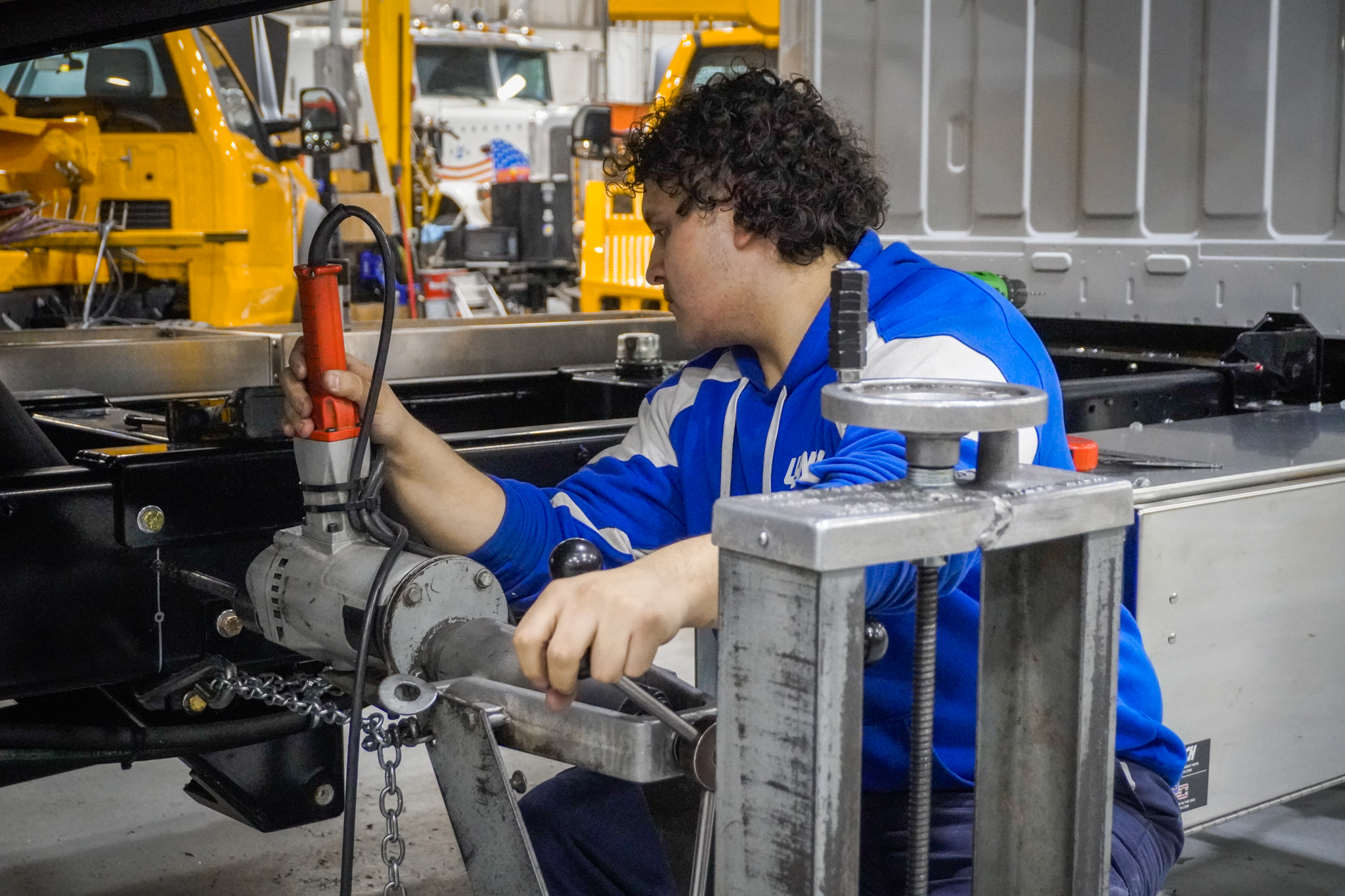
Lynch Truck Center is an authorized Isuzu dealer, and the Waterford facility is a factory-authorized service center with ASE-certified technicians on staff. That's the difference between diagnosing an Isuzu truck by guesswork and diagnosing it with the tools and training built for it.
What Makes Isuzu Commercial Trucks Different to Repair
Isuzu's commercial line, which includes the NPR, NPR-HD, NQR, and NRR, runs diesel, transmission, and electrical systems that all talk to each other through shared control modules. That's different from how a lot of general shops are used to working. A problem that looks like a transmission issue can actually originate in the engine control module, and what looks like an electrical fault can trace back to a failing sensor in the emissions system. The systems aren't isolated from each other the way they might be on a simpler vehicle.
A general shop that diagnoses by the visible symptom, instead of pulling data from the control modules, is working with incomplete information from the start. Every model in the Isuzu lineup shares this same interconnected setup, so the problem isn't specific to one truck. It's built into how the whole commercial line is designed.
Diagnostic Access and Isuzu Control Modules
Isuzu-specific diagnostic equipment communicates directly with a truck's control modules to pull fault codes and live data streams in real time. That's what lets a technician see what's actually happening inside the engine control module or an emissions sensor instead of guessing from the outside. A lot of general repair shops don't have that equipment, and without it they're working from generic code readers that weren't built for Isuzu's systems.
Outdated or generic diagnostic software can miss subtle fault codes that point to a bigger problem. A shop running that kind of equipment might clear a code, replace a part, and send the truck back out, only to have the same symptom show up again because the software never caught what was actually wrong. If a symptom that looks like a transmission issue is really coming from the ECM or an emissions sensor, confirming that takes module-level diagnostic access. Without it, a shop is left replacing parts based on a hunch rather than a reading.
Parts Sourcing for Isuzu Trucks
A general shop without direct access to Isuzu parts has to source through secondary distributors, and that usually means longer lead times. Instead of ordering a part straight through the manufacturer's network, the shop is waiting on a distributor who's waiting on their own supplier, and every link in that chain adds days to the repair.
OEM Isuzu parts are built to match factory specification for the truck's actual duty cycle, whether that's stop-and-go delivery routes or heavier vocational use. Aftermarket substitutes can look like a reasonable stand-in, but they're more likely to fail faster under the kind of commercial-duty stress an Isuzu truck sees every day. When a wrong part gets installed or a delayed part finally shows up, the repair stretches well past the original estimate, and the truck sits longer than it needed to. Lynch's parts center supports Isuzu online parts ordering for operators who want to move faster on the parts side of a repair.
Technician Training Across Isuzu Model Lines
A technician without Isuzu-specific training tends to treat diesel systems as generic, and that means model-specific failure patterns across the NPR, NPR-HD, NQR, and NRR get missed. These four trucks share a lot of underlying design, but they're not identical, and the way each one fails under real-world use depends on how it's actually driven.
NPR trucks used for short-distance delivery are a good example. That duty cycle creates diesel particulate filter regeneration issues that a technician without Isuzu-specific training might not connect to how the truck is actually used. General diesel experience is useful, but it's not the same as factory training on Isuzu's specific systems, and that gap adds diagnostic time to almost every repair visit. A technician has to work out what's unique about an Isuzu truck before they can fix it, and that takes longer when they're learning it on the fly instead of starting from factory training.
What Goes Wrong When a Shop Misdiagnoses an Isuzu Truck
Replacing a part based on the visible symptom, without confirming the root cause, leaves the actual problem sitting there waiting to resurface. Say a cooling hose fails and gets replaced. If the real issue is an over-pressurized cooling system caused by a failing head gasket, the new hose is going to fail again, because the hose was never the problem in the first place.
The same thing happens on the electrical side. A corroded ground wire or a weak battery can send bad sensor data to the ECM, and that can cause poor performance or limp mode even after the mechanical parts get replaced. The truck comes back in, the shop replaces something else, and the symptom still doesn't go away because nobody traced it back to the wiring or the battery. When misdiagnosis repeats across two repair visits like this, the owner ends up paying for the same repair twice while the original issue stays unresolved.
DPF Regeneration Problems in Stop and Go Delivery Use
Isuzu NPR trucks running local delivery routes commonly develop diesel particulate filter issues, and the cause usually traces back to how the truck is actually driven. Short-distance, stop-and-go routes don't give the DPF system the sustained running time it needs to regenerate properly, so soot builds up and eventually triggers a fault code.
If that fault code gets treated as a generic emissions problem instead of a duty-cycle issue tied to how the truck runs its routes, the symptom comes right back. A technician who understands the NPR's typical use pattern can connect the fault to the duty cycle instead of just clearing the code and sending the truck back out on the same route it'll fail on again.
What Longer Isuzu Truck Repair Time Costs a Fleet
Repair cycle time, measured from when the problem gets reported to when the truck is back in service, directly affects dispatch reliability and revenue. A breakdown rarely costs just the repair bill. Once you count the missed appointment, the late delivery, and the rescheduling it takes to cover the route, the real cost of extended downtime adds up fast.
Following Isuzu's maintenance schedule reduces how often an unplanned repair visit happens in the first place. Staying ahead of service intervals catches smaller issues before they turn into the kind of breakdown that pulls a truck off the road for days instead of hours.
What to Ask Before You Book Isuzu Truck Repair
Whether a shop has Isuzu-specific diagnostic equipment and factory training determines whether a diagnosis targets the root cause or just the symptom sitting in front of the technician. Whether parts come through an Isuzu dealer network determines whether they match factory specification for the kind of commercial duty cycle the truck actually runs. Ask both questions before you book a repair.
Diagnostic access, parts sourcing, and technician training are the three things that set the total repair time on an Isuzu truck. A shop strong in all three gets the truck diagnosed right the first time, gets the correct part in hand without a long wait, and gets it done by someone who already knows how that specific model behaves. Lynch Truck Center's commercial and tow truck service center at Waterford brings those three pieces together for Isuzu owners who need the truck back on the road and working. Schedule truck service through Lynch to get an Isuzu repair started the right way.
References
"Isuzu Repair in Denver, CO | Mile High Car Helper." milehighcarhelper.com, https://milehighcarhelper.com/isuzu-repair/.
"10 Reasons Your Heavy Duty Truck Repair Isn't Lasting." schimpfsgaragellc.com, https://schimpfsgaragellc.com/10-reasons-your-heavy-duty-truck-repair-isnt-lasting-and-how-to-fix-it/.
"Isuzu Truck Repair in Joliet, IL | C1 Truck Service." c1truckservice.com, https://www.c1truckservice.com/trucks-engines/isuzu-repair.
"Trucking Fleet Maintenance: Checklist, Schedule, KPIs – Blue Ink Tech." blueinktech.com, https://www.blueinktech.com/blog/trucking-fleet-maintenance-checklist-schedule-kpis.